Advertisement · Traditional Herbal Wellness
Why Some Families in Their 60s Still Talk About a Warm Honey and Herb Infusion Passed Down From Grandmothers
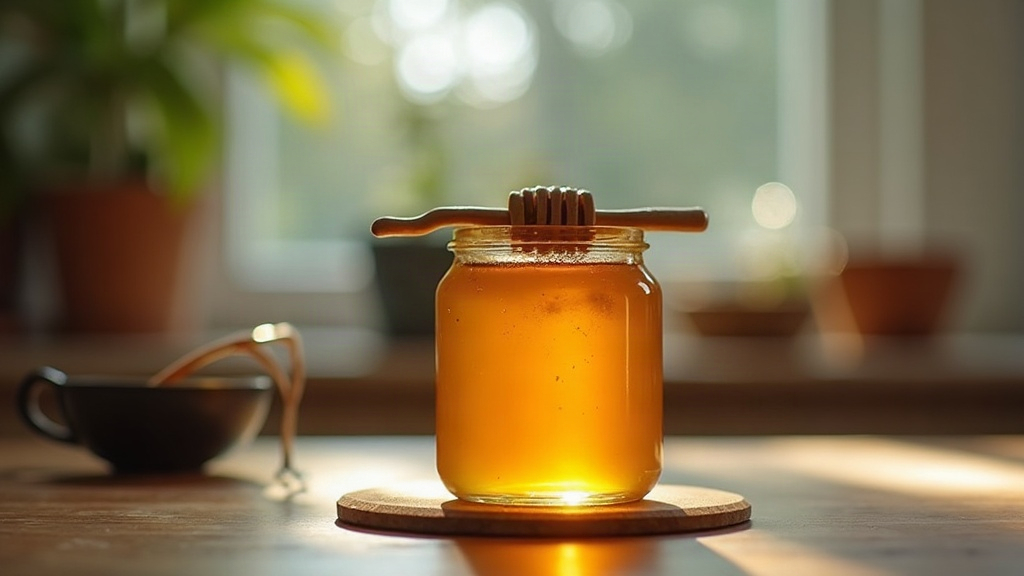
In many homes, stirring honey into a warm herbal cup after dinner goes back generations — long before anyone called it a wellness routine. This short video looks at where that habit came from and why people over 50 still keep it around.
Why Memory Shifts After 50
Nobody talks about this much, but the way we think and recall things does change with age. Here’s a plain look at four everyday factors people notice.
Sleep Changes Quietly
Sleep patterns shift with age, often without anyone really noticing until mornings start feeling foggier than they used to.
The Clock Keeps Moving
Time itself plays a role. Cells, routines, and daily rhythms all shift gradually — it's just part of getting older.
Focus Feels Different
Many people say concentrating on one thing for long stretches takes more effort than it once did.
Daily Habits Add Up
Small things — meals, stress, a cup of tea with honey after dinner — add up over decades in ways people rarely track.
Myths vs Facts About Memory and Aging
There’s a lot of noise out there. Let’s separate common assumptions from what’s actually understood.
Memory decline is the same for everyone after 50.
Experiences vary widely from person to person, shaped by genetics, habits, and daily routines.
Nothing about daily habits matters once you’re past a certain age.
Many people continue adjusting small daily habits well into their 70s and 80s.
Herbal traditions are just old wives’ tales with no real history.
Many herbal infusion practices have documented use across cultures spanning centuries.
A Simple Traditional Method
This isn’t complicated. Here’s the basic idea behind the tradition covered in the video.
Start With Warm Water
The tradition begins with warm — not boiling — water, which is believed to help preserve the character of the herbs.
Add the Herbal Blend
A mix of dried herbs is steeped, often for several minutes, following methods passed down informally through families.
Finish With Honey
A spoonful of raw honey is stirred in at the end, a step many households treat as the finishing touch of the whole ritual.
Where This Tradition Comes From
Long before modern wellness trends, honey and herb infusions were part of everyday life in many households. Grandmothers brewed them in the evening, often without any formal name for what they were doing — it was simply part of the routine. Historical records and oral traditions across several cultures reference similar practices, using local herbs combined with honey as a common evening habit.
The interesting part isn’t the honey or the herbs alone — it’s that this combination shows up independently across so many different regions and generations, almost always tied to the same quiet, end-of-day ritual.
Signs Worth Paying Attention To
Misplacing Everyday Items
Losing track of keys, glasses, or phones more often than before can be a normal part of aging worth noting.
Forgetting Recent Conversations
Struggling to recall something discussed just a day or two earlier is a common experience people report.
Trouble Following Multi-Step Tasks
Recipes, instructions, or routines that once felt automatic may start requiring more conscious effort.
Word-Finding Pauses
Reaching for a familiar word and coming up blank happens more frequently for many people as they age.
Losing Track of Dates
Mixing up days of the week or forgetting appointments can become more noticeable over time.
Feeling Mentally Tired Faster
Tasks that require sustained focus may start to feel more draining than they used to.
What People Are Saying

These statements reflect individual opinions and experiences. They are not evidence of any outcome, and individual results and experiences vary.
Frequently Asked Questions
No. The video discusses a traditional herbal infusion habit and its history. It does not diagnose, treat, or claim to cure any condition.
No. It’s a straightforward video you can watch on any device with a few free minutes.
Similar honey and herb infusion habits appear across multiple cultures and historical periods, not just one single tradition.
Honey plays a central role in the ritual described, alongside a blend of traditional herbs.
It’s aimed at adults 50 and older interested in the history and habits behind traditional evening rituals.
No. This content is educational and historical in nature and does not make medical claims of any kind.
It’s a short video designed to respect your time while still covering the background clearly.
Curious Where This Tradition Actually Came From?
Watch the short video to see the full story behind the honey and herb ritual so many families quietly kept alive.
Advertising Disclosure: This is sponsored content created for advertising purposes. This page may contain affiliate links, and we may receive compensation if you click a link or make a purchase through this page. This helps support the operation of this website at no additional cost to you.
Content Disclaimer: The information provided on this page is for educational and informational purposes only. It has not been evaluated by the Food and Drug Administration (FDA). Nothing on this page is intended to diagnose, treat, cure, or prevent any disease or health condition. Always consult a qualified healthcare professional before making changes to your health routine or if you have concerns about your health.
Results Disclaimer: Individual results and experiences vary from person to person. Testimonials and statements shared on this page reflect personal opinions and are not a guarantee, promise, or assurance of any specific outcome or experience.
© 2026 · All Rights Reserved · Contact